Easter is the very foundation of our faith. Without the events that we celebrate at Easter, we have no hope, no salvation and no meaning to life.
This week in our school Christian Union, we were discussing ‘Easter – The Main Event’. We had recently discussed the link between Pancakes and Chocolate and why we give children Easter eggs. You can read the blog here https://talkingyorkie.wales/?p=544
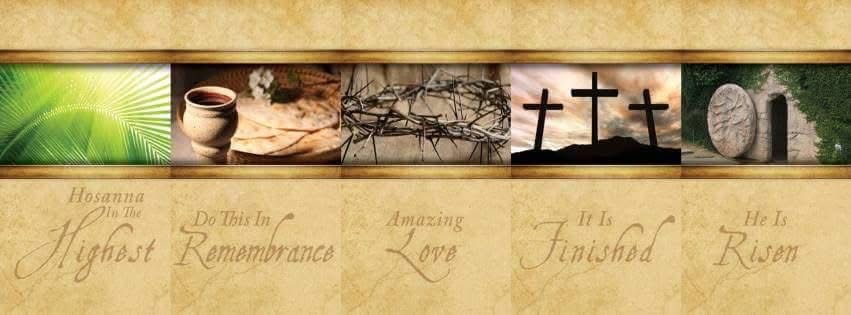
The start of Easter, or Holy Week as it’s traditionally called, begins this Sunday with Palm Sunday. This is the day that the Church celebrates what is often referred to as The Triumphal Entry. All four of the Gospels (Matthew, Mark, Luke and John) in the Bible record this event, when Jesus rides into Jerusalem on a donkey, in fulfillment of prophecies recorded for us in the Old Testament. John records the event like this: “The next day the great crowd that had come for the festival heard that Jesus was on his way to Jerusalem. They took palm branches and went out to meet him, shouting, ‘Hosanna! Blessed is he who comes in the name of the Lord! Blessed is the king of Israel!’” (John 12:12-14)
This was the first time that Jesus was welcomed as King. 2,000 years later, we still welcome him as King. The people shouted, ‘Hosanna!’ which is a Hebrew word meaning Save, but it quickly became a declaration of praise, which Christians still sing today.
The following Thursday is called Maundy Thursday, which is the day when we remember Jesus sharing a final meal with his disciples before his crucifixion. The ‘Last Supper’ as it is often called, was the annual Passover meal, which Jews still celebrate today. It is a feast to remember that the tribes of Israel, God’s special people, were set free from captivity in Egypt. Lamb is the main feature of the meal, to remember the lamb that was sacrificed to take away sins: the atoning sacrifice. This is very significant because, until the events of Easter, many lambs and other animals had to be sacrificed on multiple days every year. But Jesus gave himself as a once for all sacrifice to remove sins completely, without the need for any further sacrifices, ever.
It was at this Passover meal that Jesus taught us how we are to love one another by kneeling like a humble servant and washing his disciples feet, even the feet of Judas Iscariot, who Jesus knew would betray him that very night. Jesus told us to, “Love one another as I have loved you”. (John 13:34)
Furthermore, “on the night he was betrayed, [Jesus] took bread, and when he had given thanks, he broke it and said, ‘This is my body, which is for you; do this in remembrance of me.’ In the same way, after supper he took the cup, saying, ‘This cup is the new covenant in my blood; do this, whenever you drink it, in remembrance of me.’ For whenever you eat this bread and drink this cup, you proclaim the Lord’s death until he comes.” (1 Corinthians 11)
Maundy is from the Latin word mandare meaning to command. As well as his command to love one another, Jesus also showed us how we are to remember the events of Easter, all through the year, until he comes again. This is why Christians still take communion (sometimes called Eucharist or breaking bread) today.
The next day is Good Friday (3rd April this year) which is the day when Christians all over the World come together to remember the crucifixion and death of Jesus Christ. At first, it might seem strange to call this day good, since Jesus was killed in the most horrific way. But, for those of us who have a deep conviction of salvation, we know just how good this day was. As I have already said, Jesus willingly offered himself as the perfect, spotless, once-for-all sacrificial lamb. John the Baptist said of Jesus, “Behold, the Lamb of God, who takes away the sin of the world!” (John 1:29)
Jesus’ sacrifice made it possible for us to come into the very presence of God. I discussed this in my blog last year, which you can read here: https://talkingyorkie.wales/?p=143 As well as a special church service, many churches also come together on Good Friday for a ‘Walk of Witness’; there is one planned for noon on the main street through our own town centre.
Holy Week reaches a crescendo on Easter Sunday, with celebrations worldwide. For many families, this includes the giving and receiving of Easter Eggs and eating Hot Cross Buns, whether they go to church or not. Churches across the globe have special services to celebrate that Jesus rose from the dead and still lives today! If Jesus had stayed in the tomb, if he hadn’t conquered death, if the resurrection never happened, there would be nothing to celebrate; there would be no Easter.
In the Anglican Church, Easter Sunday marks the beginning of 50 days of celebrating Jesus’ resurrection. It really is something worth spending two months celebrating! If Jesus hadn’t risen from the dead, our faith would be empty and baseless. The final 10 days begin on Ascension Day (14th May this year) where many Christians celebrate Jesus’ ascension into heaven. Finally, at the end of the 50 days, is Pentecost (24th May), which celebrates when Jesus’ disciples first received the gift of the Holy Spirit. This is sometimes referred to as the birthday of the Church and is celebrated by churches all over the World.
If you’ve never thought about it before, as you are eating your fill of chocolate this Easter, I invite you to think about how it all began and to consider if the events celebrated at Easter could have eternal significance for you.
I hope you enjoyed reading this blog. Please leave me a comment and tick to be notified next time I add a new post.
Happy Easter!
Sharon x
Leave a Reply